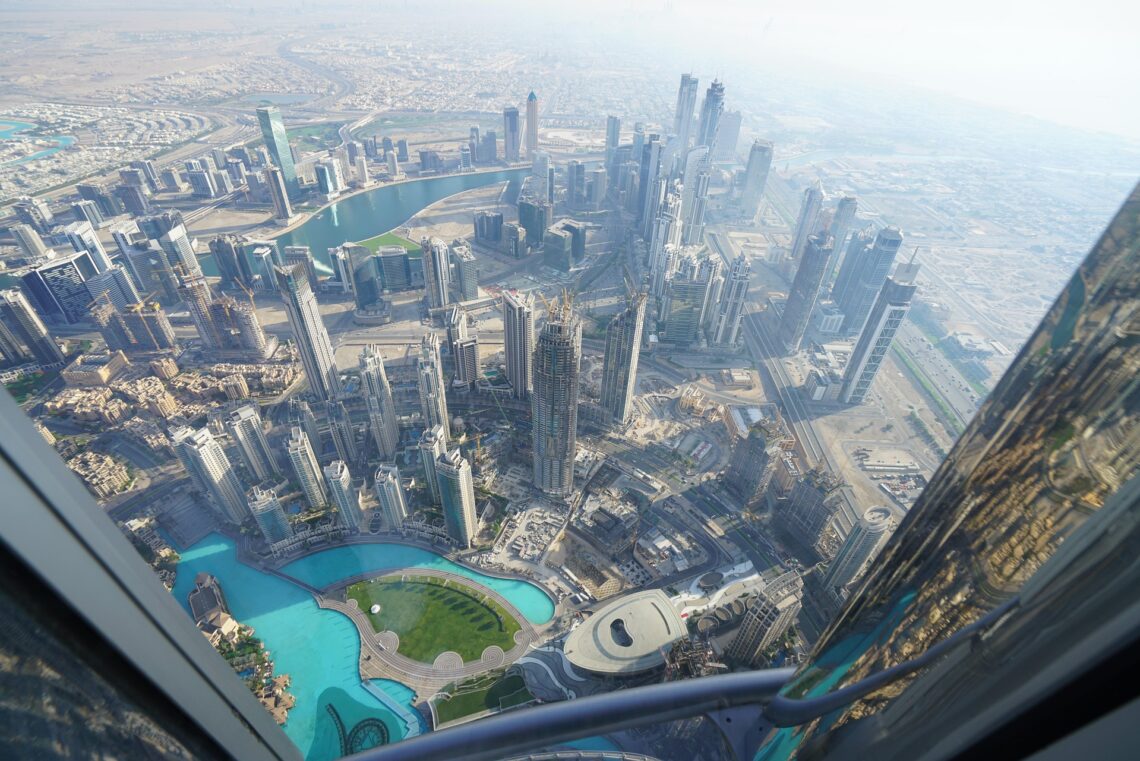
While Dubai is often associated with iconic skyscrapers and high-end offerings, its gastronomic identity tells a much broader and more layered story. Food in this city is a mosaic of flavors that recounts tales of merchants, spices, Bedouin traditions, and influences from every corner of the world. Dubai is a culinary crossroads where the Middle East meets India, Lebanon blends with Persia, and authentic Emirati cuisine coexists with international haute cuisine.
This culinary journey will take you from the spice markets of Deira to the Michelin-starred restaurants of DIFC, from street food stalls to Friday brunches.
Authentic Emirati Cuisine
Al Fanar Restaurant: A Dive into the 1960s Emirates
Mannequins in traditional attire and fiberglass camels create a scenography inspired by the country’s historical memory. Entering Al Fanar is like taking a journey back in time. The décor evokes a traditional Emirati atmosphere, but it’s the food that most clearly expresses the territory’s identity.
Al Fanar has several locations in Dubai (Dubai Festival City, Al Seef, Al Barsha) and is also recognized by the Michelin Guide. Prices are accessible (around 60-70 AED for a main course) and the experience is authentic.
Arabian Tea House: Breakfast Among the Wind Towers
Hidden in the historic Al Fahidi neighborhood, Arabian Tea House is an oasis of tranquility where time seems to have stood still. Sit in the shaded courtyard, surrounded by traditional wind towers (barjeel), and savor a true Emirati breakfast. Go early in the morning (around 8-9 AM) if you want to avoid crowds and discover the neighborhood’s most authentic atmosphere. The place is also perfect for lunch, with dishes like biryani and thareed (vegetable and meat stew with raqaq bread).
International Gastronomic Scene: The Best of the World
Over time, Dubai has also become a reference destination for international haute cuisine, with numerous Michelin-starred chefs opening venues and restaurants in the city. The DIFC (Dubai International Financial Centre) now represents the nerve center of this gastronomic scene.
Zuma: The Art of Japanese Robatayaki
Zuma Dubai, located in the DIFC’s Gate Village, is more than a restaurant: it’s an experience. This contemporary Japanese izakaya-style venue has been featured multiple times on the World’s 50 Best Bars list and is a reference point for the international scene.
Here, chefs cook on Japanese charcoal grills, preparing skewers of fish, meat, and vegetables with great precision. The sashimi is incredibly fresh, with delicate tuna cuts, while the atmosphere remains elegant yet relaxed, with a terrace overlooking Gate Village.
Budget: Around 400-600 AED per person. Book in advance, especially for weekends.
La Petite Maison (LPM): The French Riviera in Dubai
Right next to Zuma is La Petite Maison, a restaurant that has brought the spirit of the Côte d’Azur to the desert. Recognized by the Michelin Guide and featured on the list of Top 100 restaurants worldwide, LPM is famous for its fresh and vibrant French Mediterranean cuisine.
The atmosphere is lively and social, with dishes designed to be shared at the center of the table. The service is impeccable and the wine list is excellent.
Street Food: A Journey Through Urban Flavors
An important part of Dubai’s gastronomic scene is found in the streets, markets, and small shops frequented daily by the local community. Here, traditional dishes, affordable prices (generally between 5 and 20 AED for a meal), and flavors deeply connected to the territory’s culture coexist.
Shawarma: The King of Street Food
Shawarma is a constant presence in Dubai’s daily gastronomic life, enjoyed at any time of day, even late at night. This Middle Eastern specialty—marinated meat cooked on a vertical spit, thinly sliced and served in Arabic bread with sauces and vegetables—is one of the city’s most recognizable dishes.
Where to eat shawarma: Al Mallah (Al Dhiyafah Road) is open until late at night, extremely popular with locals, with very low prices (10-15 AED). Shawafel (various locations) offers a fusion between shawarma and falafel. Operation Falafel (The Beach JBR) presents a modern and trendy version with creative options.
Manakish: The Levantine Pizza
This Lebanese flatbread baked in the oven is the favorite breakfast of many expats in Dubai. The most classic version features zaatar (a mixture of thyme, sesame, and sumac) and olive oil, but there are infinite variations.
Where to try it: Zaatar w Zeit is a Lebanese chain with excellent manakish (the version with halloumi is divine). Man’oushe Street (JLT) is authentic and economical. The bakeries of Deira have ovens that produce fresh manakish throughout the day.
Karak Chai: Dubai’s Coffee (But It’s Tea)
If espresso is for Italians, karak chai is for Emiratis. This strong black tea, boiled with evaporated milk, cardamom, saffron, and plenty of sugar, is Dubai’s social glue. It’s drunk at all hours, in small plastic cups, accompanied by conversation.
Where to try it: Firas Sweets (various locations) serves creamy and spiced karak (2-3 AED!). Tea Time (Karama) is a local institution. Any Pakistani or Indian cafeteria—don’t be afraid to enter these small local establishments.
A Journey Through Cultures and Worlds
Dubai is a city built by travelers, merchants, and dreamers who arrived from every corner of the world bringing flavors, recipes, and stories. The result is an unparalleled gastronomic scene, where in a single day you can have breakfast with Emirati pancakes, lunch with Japanese sushi, snack on Lebanese shawarma, and dine on French Mediterranean cuisine.
It’s not just food: it’s a journey through cultures, stories, and human connections. Every dish tells a story, every restaurant is a bridge between different worlds.
So, are you ready to embark on this food journey?